
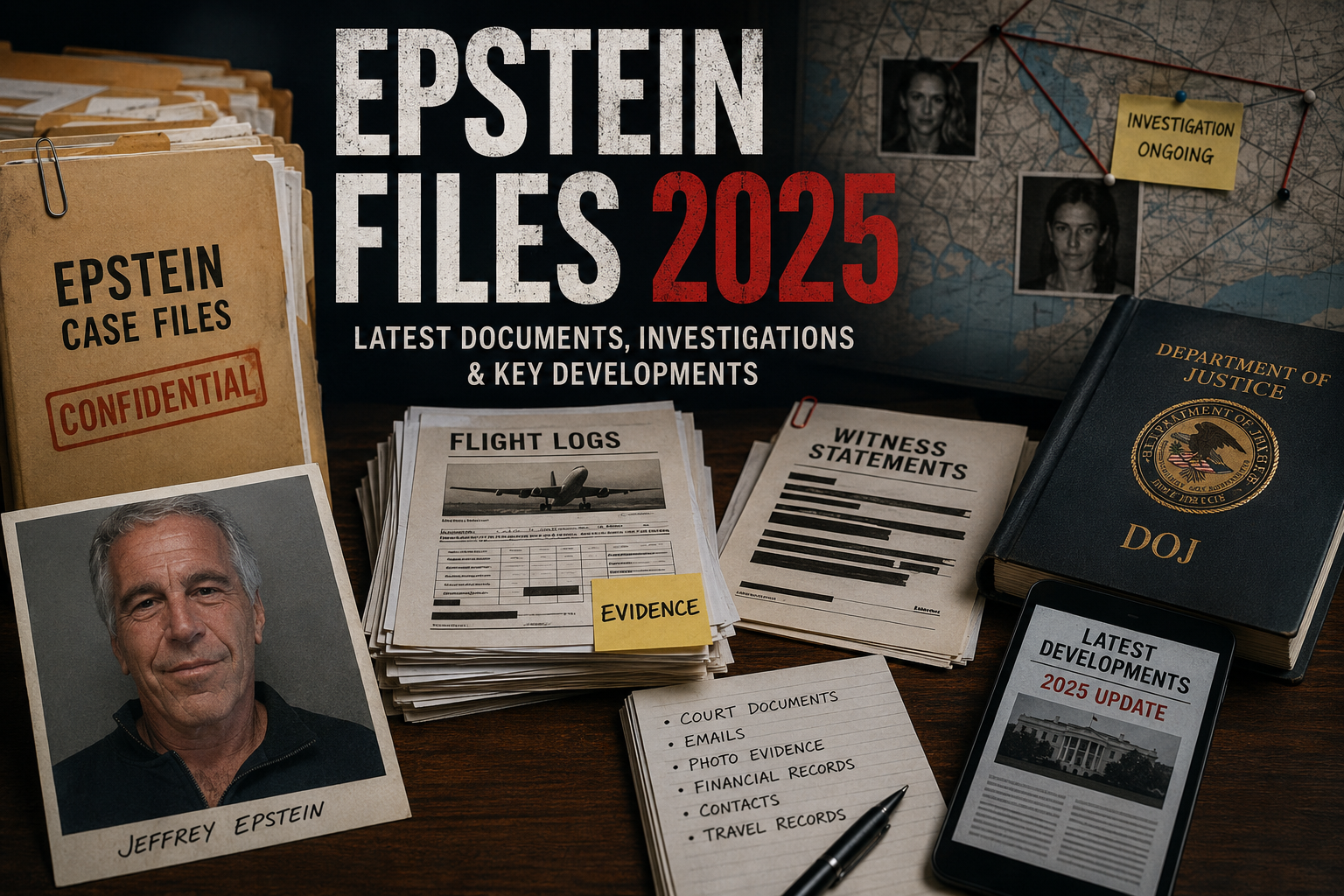
The Epstein Files 2025 became one of the most discussed legal and political topics in the United States. These files include thousands of pages of records linked to investigations of Jeffrey Epstein and his associate Ghislaine Maxwell. The records contain court documents, flight logs, emails, photographs, witness statements, and law enforcement materials. Public interest grew because many people wanted more transparency about Epstein’s activities and connections. Government agencies, lawmakers, journalists, and victims all pushed for greater access to these records.
In 2025, several developments brought new attention to the files. Government reviews, congressional actions, and public document releases created fresh debate. At the same time, officials stressed that being named in a document does not prove wrongdoing. Understanding the facts remains important because many claims online lack evidence.
Understanding the Epstein Files
What the Files Include
The Epstein files contain records from criminal investigations and legal proceedings. These materials cover many years of investigations into allegations of sex trafficking and abuse.
The documents include travel records, financial information, witness interviews, photographs, emails, court filings, and law enforcement reports. Many records remain partially redacted to protect victims and sensitive information. Government agencies continue to balance transparency with privacy concerns.
Why the Files Matter
The files matter because they help explain how investigations developed over time. They also show how law enforcement agencies gathered evidence and interviewed witnesses.
Many people want to know whether powerful individuals received special treatment. Therefore, document releases attract strong public interest. However, experts warn that isolated references inside documents should not be treated as proof of criminal conduct.
Key Events Leading to 2025
Early Investigations
The story began years before 2025. Local police, federal investigators, and prosecutors examined allegations against Jeffrey Epstein. These investigations resulted in legal actions that continued for many years. Later court cases and public records created a large collection of documents that became known as the Epstein files.
Growing Public Demand
As more information entered the public record, demands for transparency increased. Victims, journalists, and advocacy groups asked for additional disclosures. Many people believed important information remained hidden. As a result, lawmakers and government agencies faced pressure to release more records.
Major Developments in 2025
DOJ and FBI Review
A major event occurred in July 2025 when the Department of Justice and the Federal Bureau of Investigation released findings from an extensive review. Officials stated that investigators found no evidence supporting claims about a secret “client list.” The review also reaffirmed previous conclusions regarding Epstein’s death.
The announcement received widespread attention. Some observers accepted the findings, while others requested additional disclosures. The debate continued throughout the year.
Congressional Interest
Members of Congress increased scrutiny of the records during 2025. Several lawmakers called for broader public access to documents connected to the investigations.
Congressional committees also obtained and released additional records. These actions helped place more information into the public domain while maintaining protections for victims.
Timeline of Important Events
| Year | Major Development |
| 2019 | Epstein dies while awaiting trial |
| 2020–2024 | Court filings and records continue to emerge |
| July 2025 | DOJ and FBI release review findings |
| September 2025 | Additional records released by House Oversight Committee |
| November 2025 | Further congressional document disclosures |
Types of Documents Released
Court Records
Court records represent a large part of the available materials. These documents contain legal arguments, filings, testimony, and procedural actions. They help researchers understand how cases moved through the legal system. Many media reports rely heavily on these records because courts maintain detailed documentation.
Flight Logs
Flight logs remain among the most discussed documents. These records show who traveled on specific flights connected to Epstein. Appearing in a flight log does not indicate criminal behavior. Experts repeatedly stress that travel records alone do not establish wrongdoing.
Witness Statements
Witness interviews provide important context. Investigators collected statements from many individuals over several years. These materials often contain allegations, observations, and recollections. Therefore, readers should distinguish between claims and proven facts.
Common Misunderstandings About the Files
Names Do Not Equal Guilt
One of the biggest misconceptions involves names appearing in documents. A person can appear in records for many reasons. For example, someone may appear as a witness, acquaintance, business contact, or passenger. Therefore, a mention alone should never be viewed as evidence of criminal activity.
Not Every Record Is Public
Many people assume all records are available. That is not true. Certain documents remain sealed, redacted, or restricted due to privacy laws, victim protection requirements, and legal considerations. Government agencies continue to review records before publication.
The Role of Victim Protection
Privacy Concerns
Victim privacy remains a central issue. Authorities must protect sensitive personal information when releasing records. This responsibility affects what agencies can disclose. Names, addresses, and identifying details often receive redactions before publication.
Balancing Transparency
Government agencies face a difficult balance. The public wants transparency, yet victims deserve privacy and dignity. As a result, many releases contain blacked-out sections. Officials argue these protections remain necessary despite public pressure for complete disclosure.
Impact on Public Trust
Questions About Accountability
The Epstein case raised questions about accountability and institutional oversight. Many citizens want to know whether investigations received proper attention. The release of additional records aims to improve transparency. Yet debate continues over whether enough information has reached the public.
Influence on Future Cases
The case may influence future investigations involving wealthy and powerful individuals. Lawmakers, advocacy groups, and legal experts often cite the Epstein investigations when discussing reforms to transparency and victim protection policies.
Information Released in 2025
| Category | Examples |
| Legal Records | Court filings and case materials |
| Investigation Files | FBI and DOJ review documents |
| Congressional Releases | Oversight Committee disclosures |
| Travel Documents | Flight records and logs |
| Communications | Emails and correspondence |
Media Coverage and Public Debate
Growing Attention
News organizations devoted extensive coverage to document releases throughout 2025. Major outlets reviewed thousands of pages of records. This reporting helped explain complex legal materials for the public. Journalists also verified claims before publication whenever possible.
Challenges of Online Information
Social media created additional challenges. Unverified claims spread quickly across online platforms. Readers should rely on official documents, court records, and established news organizations when evaluating new information.
What Experts Continue to Study
Document Analysis
Researchers and journalists continue reviewing released materials. Large document collections require time and careful examination. Many records contain technical language, legal references, and investigative details. Thorough analysis helps prevent misunderstandings.
Historical Context
Experts also study the broader history surrounding the investigations. This approach provides context for decisions made by prosecutors, investigators, and courts. Understanding the timeline helps readers interpret documents more accurately.
Future Releases and Expectations
Ongoing Reviews
Authorities continue reviewing records connected to the investigations. disclosures may occur as legal and privacy reviews progress. Officials have indicated that large collections require extensive examination before publication.
Continued Public Interest
Public interest remains strong because the case involves issues of justice, transparency, and accountability. Future releases will likely receive significant attention from lawmakers, journalists, and the public.
FAQ’s
The Epstein Files are collections of documents connected to criminal investigations, court proceedings, and public disclosures involving Jeffrey Epstein and related cases. These records include travel logs, emails, court filings, photographs, and witness statements.
Several important developments occurred in 2025, including DOJ and FBI review findings, congressional document releases, and growing public demands for transparency.
No. A person’s name can appear for many reasons. A mention in documents does not prove criminal conduct or legal responsibility.
Authorities remove information to protect victims, private individuals, and sensitive investigative details. These protections follow legal requirements.
Additional releases may occur as reviews continue. Government agencies have stated that large collections require ongoing examination before publication.
Conclusion
The Epstein Files 2025 represent an important chapter in the effort to understand one of the most discussed criminal investigations in modern history. Document releases expanded public access to records and increased transparency around past investigations.
At the same time, the files demonstrated the importance of careful analysis. Names, references, and allegations inside documents require context. Responsible reporting and fact-based research remain essential when evaluating new disclosures.
Looking ahead, public interest will likely continue as additional records emerge. The discussion surrounding transparency, accountability, and victim protection will remain central to understanding the lasting impact of the Epstein files.