 By Admin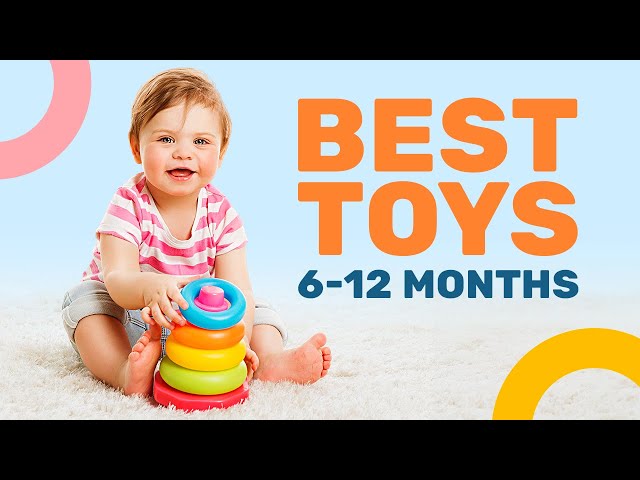
Did you know that by 12 months, babies can triple their birth weight and develop skills that form the foundation for walking, talking, and problem-solving—all accelerated through simple, intentional play? The period from 6 to 12 months is a magical window of rapid transformation: your little one shifts from passive observer to active explorer, mastering sitting steadily, crawling or scooting, pulling up to stand, and even taking first steps. This stage isn’t just about physical growth; it’s when neural connections explode, with sensory experiences shaping brain development in ways that last a lifetime.
Toys for babies 6-12 months development aren’t mere distractions—they’re powerful tools for supporting key milestones in gross motor (like crawling and standing), fine motor (grasping and transferring objects), cognitive (cause-and-effect understanding and object permanence), language (babbling and responding to words), and social-emotional growth (bonding through interactive play). Parents often wonder: “Which toys truly help my baby learn?” The answer lies in age-appropriate, engaging items that encourage exploration without overwhelming.
In this comprehensive guide, we’ll explore how to choose and use the best educational toys to nurture your baby’s growth during this exciting phase. Whether you’re searching for babies 6-12 education options that promote hands-on learning or wondering how play impacts long-term outcomes, you’ll find practical, evidence-based advice to empower your parenting journey.
From 6 months onward, babies enter a dynamic phase of discovery. At around 6-9 months, many can sit without support, roll over both ways, reach for and grasp objects using a pincer grip (thumb and finger), transfer items between hands, and respond to their name. They begin exploring cause and effect—shaking a rattle makes noise—and show early signs of object permanence by looking for hidden toys.
By 9-12 months, mobility ramps up: crawling, pulling to stand, cruising along furniture, and possibly first independent steps. Fine motor skills refine as babies bang objects together, point, and drop items repeatedly (a favorite “game”!). Cognitively, they imitate actions, wave bye-bye, and understand simple words like “no” or “ball.” Emotionally, they seek comfort from caregivers and show preferences for certain toys or people.
Research highlights the critical role of play here. Studies show that interactive play with appropriate toys enhances joint attention (shared focus between parent and baby), which supports language and social skills. Environments with fewer, high-quality toys promote deeper, more sustained play, leading to better attention and creativity. One study found that babies in settings with limited toys exhibited longer, more complex interactions, fostering cognitive growth.
Choosing toys aligned with these milestones turns everyday moments into powerful learning opportunities, helping your baby build confidence and curiosity.
Babies at this age are sensory sponges. Textured balls, soft rattles, and crinkly fabrics stimulate touch, hearing, and vision.
Recommended options include:
- Textured sensory balls for grasping and rolling, promoting tactile awareness and gross motor movement.
- Rattles with varied sounds and easy-grip handles to encourage shaking and cause-effect learning.
These toys support sensory integration, essential for later skills like hand-eye coordination.
Fine motor development surges as babies practice pincer grasps and object manipulation.
Top picks:
- Stacking rings or cups—babies love nesting and un-nesting, building spatial awareness.
- Soft blocks or baby blocks for stacking and knocking down, enhancing grip strength.
These encourage repeated practice, crucial for self-feeding and later writing readiness.
Babies delight in actions with reactions—pushing a button for lights/sounds or dropping items into containers.
Favorites:
- Pop-up or surprise toys (like Fox in a Box) for peek-a-boo effects that reinforce object permanence.
- Activity centers or tables with spinners, buttons, and mirrors for seated exploration.
Such toys boost cognitive understanding of how the world works.
To promote mobility:
- Push walkers or rolling toys that encourage scooting/crawling.
- Floor mats with hanging toys for tummy time extension into seated play.
These help strengthen core muscles for standing and walking.
Board books with high-contrast images and simple textures spark language exposure.
Interactive options like finger puppet books or sound books encourage babbling and joint reading.
Reading together daily can significantly enhance vocabulary foundations.
Treasure baskets (safe household items for exploration) or simple wooden toys promote creativity without overstimulation.
Montessori-style play kits emphasize child-led discovery, leading to deeper engagement.
Here are standout choices based on expert recommendations, parent feedback, and developmental alignment:
- Lovevery Play Kits (The Charmer or The Adventurer) — Curated monthly kits with toys, books, and guides tailored to exact stages. Parents report noticeable gains in exploration and motor skills.
- Melissa & Doug Soft Toys (e.g., Fill & Spill Taco or Surprise Gift Box) — Soft, safe for mouthing; great for cause-effect and fine motor practice.
- Fisher-Price Classics (e.g., Rock-A-Stack or Activity Gym) — Iconic for stacking, grasping, and sensory fun; durable and engaging.
- Oball Rattles or Easy-Grasp Toys — Lightweight, easy to hold; perfect for rolling and shaking to build coordination.
- Stacking Cups/Blocks and Shape Sorters — Timeless for nesting, sorting, and problem-solving.
- Sensory Pop Toys or Rainmakers — Auditory and tactile stimulation with soothing sounds.
- Board Books and Soft Dolls — For language, pretend play beginnings, and emotional bonding.
Always prioritize safety: no small parts, BPA-free materials, and supervision during play.
(Visual suggestion: Include an infographic here showing a timeline of 6-12 month milestones with icons for each toy type—e.g., a crawling baby next to a rolling toy. Add parent testimonials like: “Our little one went from scooting to crawling in weeks thanks to these activity toys!”)
Investing in quality toys yields measurable benefits. Babies engaged in purposeful play show advanced motor coordination, better attention spans, and stronger parent-child bonds. Studies indicate that interactive toy play enhances joint attention, leading to improved language outcomes. Parents often notice faster milestone achievement—e.g., earlier crawling or more varied babbling—when using development-focused items.
Emotionally, these toys build confidence: a baby mastering a shape sorter feels empowered, fostering a growth mindset. Long-term, early stimulation correlates with better school readiness in areas like problem-solving and social skills.
- Prioritize quality over quantity—fewer toys encourage deeper play.
- Rotate toys weekly to maintain interest.
- Play together: Narrate actions (“The ball rolls!”) to boost language.
- Ensure toys meet safety standards (no choking hazards).
- Clean regularly, especially mouthing items.
The 6-12 month stage is a golden opportunity to shape your baby’s development through joyful, purposeful play. By selecting toys that align with milestones—sensory for awareness, motor for strength, cognitive for curiosity—you’re not just entertaining; you’re building a foundation for lifelong learning and confidence.
Ready to boost your baby’s growth? Explore these top toys for babies 6-12 months development today and watch the magic unfold. Your little explorer is waiting—grab a toy, get on the floor, and join the adventure. For more tips on babies 6-12 education, check out resources from NAEYC or pediatric sites like UnityPoint Health.
Soft rattles, textured balls, and activity gyms help with grasping and sensory exploration while supporting seated stability.
Rolling toys, push walkers, and floor mats encourage movement by motivating babies to reach and chase items.
Yes—open-ended items like treasure baskets promote independence and creativity over battery-operated toy
Start with 5-10 high-quality ones; research shows fewer toys lead to longer, more focused play.
Absolutely—studies link age-appropriate play to enhanced motor, cognitive, and social skills.